

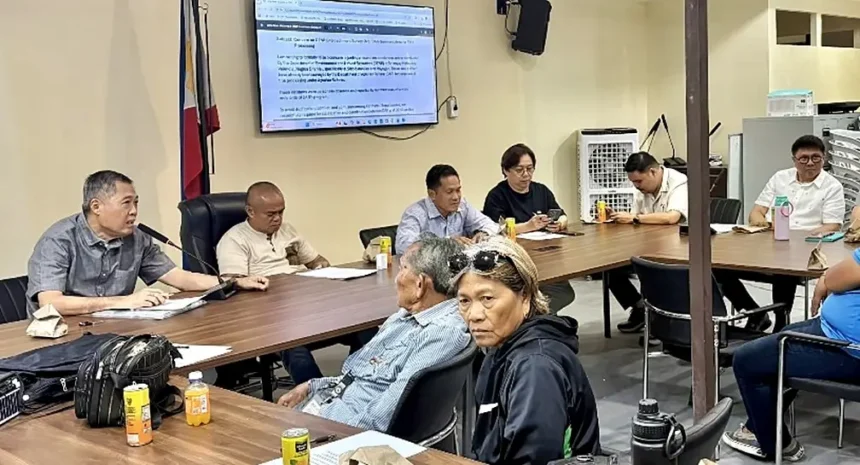
PARCCOM Meeting on DAR Split Program and Agrarian Reform Implementation
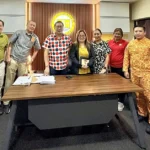
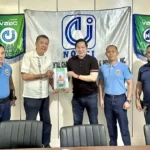
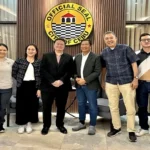
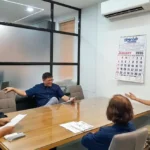
The 1st Quarter PARCCOM meeting focused on updates regarding the Department of Agrarian Reform’s Project SPLIT and broader concerns tied to agrarian implementation under existing land reform laws. A NOCCI officer attended the session to engage in discussions surrounding policy execution, land title subdivision, and compliance with statutory mandates. The meeting emphasized practical coordination among stakeholders to accelerate land distribution and improve documentation processes. Key references included the Comprehensive Agrarian Reform Program (CARP) under Republic Act No. 6657 and its amendment through Republic Act No. 9700. These laws form the legal backbone of agrarian initiatives in the Philippines. The primary objective of the discussion was to align local actions with national agrarian reform goals.
Understanding Project SPLIT and Its Role in Agrarian Reform
Project SPLIT, implemented by the Department of Agrarian Reform, stands for Support to Parcelization of Lands for Individual Titling. It aims to subdivide collective Certificates of Land Ownership Award (CLOAs) into individual land titles to strengthen agrarian reform outcomes. Many agrarian reform beneficiaries previously received collective titles, which created administrative and ownership complications. By parcelizing these lands, DAR seeks to provide clearer ownership rights and improve access to credit and government support. During the PARCCOM meeting, officials discussed progress updates, bottlenecks, and coordination with local government units. The conversation reinforced that accurate land documentation is central to sustainable agrarian development. Strengthening titling processes ensures beneficiaries can fully exercise their agrarian rights.
The Role of PARCCOM in Strengthening Agrarian Governance
The Provincial Agrarian Reform Coordinating Committee (PARCCOM) serves as a multi-sectoral body that monitors agrarian implementation at the provincial level. Its mandate includes reviewing land acquisition, beneficiary selection, dispute resolution, and compliance with agrarian laws. The meeting highlighted how PARCCOM functions as a bridge between community stakeholders and the Department of Agrarian Reform. Active participation from organizations such as NOCCI supports transparency and accountability in agrarian programs. Discussions also addressed ongoing concerns about land valuation, documentation delays, and beneficiary support services. Through structured dialogue, PARCCOM ensures that agrarian implementation aligns with national policy while addressing local realities. Regular quarterly meetings enable consistent tracking of agrarian milestones and challenges.
Legal Framework Guiding Agrarian Implementation
Agrarian implementation in the Philippines is primarily anchored on Republic Act No. 6657, also known as the Comprehensive Agrarian Reform Law of 1988. This legislation institutionalized land redistribution to qualified farmer-beneficiaries and established mechanisms for support services. The law was later strengthened by Republic Act No. 9700, which extended and refined the Comprehensive Agrarian Reform Program. These reforms clarified funding provisions, timelines, and beneficiary protections. During the meeting, participants revisited compliance standards to ensure ongoing agrarian activities remain consistent with statutory mandates. Legal alignment is critical to prevent disputes and ensure defensible land titling decisions. Clear understanding of the agrarian legal framework allows local committees to implement policies efficiently and lawfully.
Key Issues and Concerns Raised During the Meeting
Among the primary concerns discussed were delays in land parcelization, verification of beneficiary data, and coordination gaps between agencies. Stakeholders emphasized the need for updated land surveys and accurate mapping to avoid overlapping claims. Another major topic involved strengthening communication with agrarian reform beneficiaries to manage expectations and clarify procedural timelines. Financial resource allocation and technical capacity were also raised as factors affecting agrarian implementation speed. Participants explored strategies to improve inter-agency collaboration and documentation workflows. Ensuring transparency in the agrarian process was repeatedly underscored as essential to maintaining public trust. These discussions demonstrate a proactive approach to resolving operational challenges in land reform programs.
Why This PARCCOM Meeting Matters for Agrarian Stakeholders
For landowners, beneficiaries, and local organizations, the outcomes of PARCCOM meetings directly influence agrarian progress in their communities. Effective implementation of Project SPLIT can enhance land security, unlock financing opportunities, and support agricultural productivity. When agrarian documentation is accurate and legally compliant, disputes are minimized and economic stability improves. Engagement from civil society representatives, such as the attending NOCCI officer, strengthens collaborative governance. The meeting also reinforces that agrarian reform is not solely a legal process but a socio-economic transformation initiative. Continuous dialogue ensures policies remain responsive to on-the-ground realities. Moving forward, stakeholders are encouraged to monitor updates, participate in consultations, and support transparent agrarian implementation efforts.