


NOCCI Advances EBET Conference for NIR Workforce Development
Business and education leaders in the Negros Island Region are aligning around one priority: stronger workforce readiness through EBET. Edward C. Du, President of the Negros Oriental Chamber of Commerce and Industry, convened key regional figures to organize a strategic NIR conference focused on the Enterprise-Based Education and Training Law. The initiative aims to guide businesses, technical-vocational institutes, and colleges on how to implement enterprise-integrated training models effectively. For stakeholders searching for updates on EBET in Negros, this conference represents a practical step toward compliance, skills development, and regional competitiveness. The planned gathering will bring structured dialogue between industry and academe to the forefront of workforce reform.
Strategic Leadership Behind the EBET Initiative
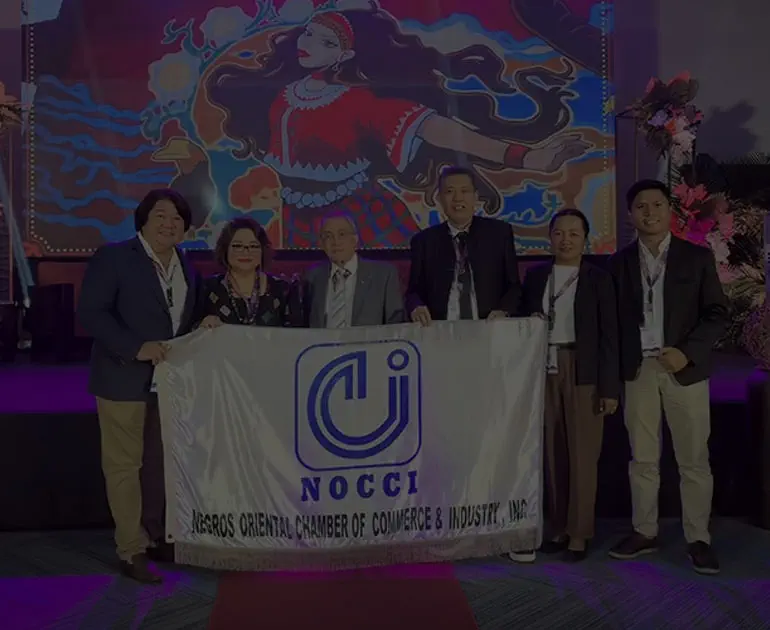
The meeting gathered respected leaders across law, education, and commerce. Edward C. Du of the Negros Oriental Chamber of Commerce and Industry worked alongside Atty. Myles Bejar, Provincial Legal Officer, to ensure legal clarity around EBET implementation. Dr. Jose Rene Gayo, Executive Director of the Metro Bacolod Chamber of Commerce and Industry, contributed insights on business sector engagement. Dr. Delma P. Manila, President of Metro Dumaguete College, represented the academic sector’s readiness to integrate enterprise-based models. This cross-sector collaboration strengthens EBET as both a compliance framework and a strategic workforce solution for the Negros Island Region.
What the NIR-EBET Conference Aims to Achieve
Practical Compliance and Policy Guidance
One core objective of the NIR conference is to clarify how institutions and enterprises can align with the Enterprise-Based Education and Training Law. Many businesses and schools seek clear guidance on partnership structures, documentation, and training standards. By convening legal, business, and academic leaders, the event will translate EBET policy into actionable steps. This reduces uncertainty and accelerates adoption across the region. Clear compliance pathways are essential for building trust between enterprises and educational institutions.
Strengthening Industry-Academe Partnerships
Another focus of EBET is bridging the long-standing gap between classroom instruction and real-world skills. The conference will encourage companies to actively participate in curriculum design, internships, and structured workplace training. Technical-vocational institutes and colleges can align programs with industry demand rather than theoretical projections. This partnership approach ensures graduates possess competencies that employers actually need. Stronger collaboration ultimately improves job placement rates and enterprise productivity across Negros.
Why EBET Matters for Regional Competitiveness
The Negros Island Region competes for investments, skilled talent, and business expansion opportunities. Enterprise-based training models help create a workforce that is adaptable and job-ready from day one. EBET encourages companies to co-own the training process instead of relying solely on traditional academic pathways. This model shortens onboarding time, improves productivity, and enhances retention rates. For chambers of commerce like NOCCI and Metro Bacolod Chamber of Commerce and Industry, enterprise-integrated education is a strategic economic lever. Regions that implement EBET effectively position themselves as attractive hubs for growth industries.
Role of Educational Institutions in EBET Implementation
Colleges and technical-vocational schools play a central role in operationalizing enterprise-based learning. Metro Dumaguete College and similar institutions can embed structured industry immersion into academic programs. Faculty members may collaborate with enterprise mentors to design competency-based modules. This ensures that assessment methods reflect workplace realities rather than purely academic metrics. Through EBET, institutions shift from isolated knowledge providers to active workforce partners. This transition strengthens institutional relevance and long-term enrollment stability.
Legal and Governance Considerations
Enterprise-based training requires careful coordination with existing labor and education regulations. With the involvement of the Provincial Legal Office, stakeholders can better understand contractual structures, liability considerations, and standards compliance. Legal clarity reduces hesitation among businesses considering participation. It also ensures that student trainees are protected while gaining practical experience. Proper governance frameworks are critical for scaling EBET sustainably across the Negros Island Region.
What Businesses and Schools Should Do Next
Organizations interested in participating in the NIR conference should begin internal readiness assessments. Businesses can identify skill gaps where enterprise-based partnerships would deliver measurable returns. Educational institutions can review curricula to pinpoint areas suitable for enterprise integration. Early preparation allows stakeholders to engage more productively during conference sessions. EBET implementation succeeds when both sides approach collaboration with clear objectives. Proactive planning will maximize the conference’s long-term impact.
Building a Future-Ready Negros Through EBET
The planned NIR conference signals a coordinated push to modernize workforce development in Negros. By bringing together legal authorities, business leaders, and academic institutions, NOCCI is positioning EBET as a practical tool for economic growth. The initiative moves beyond policy discussion and toward actionable collaboration. Enterprise-based education offers a sustainable path to stronger skills alignment and regional competitiveness. As implementation advances, EBET could become a defining framework for workforce transformation across the Negros Island Region.