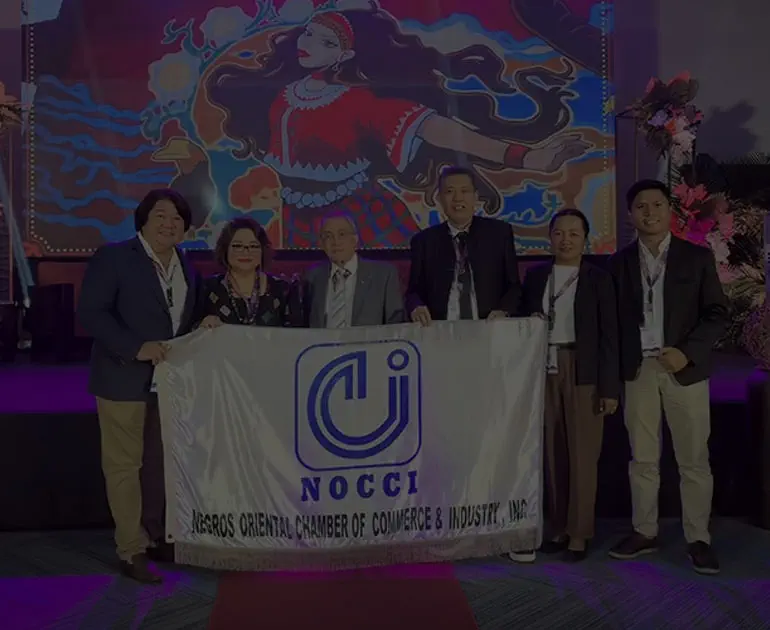


Sustainable water management has emerged as a defining requirement for inclusive economic growth in Negros Oriental. Responding to this need, the Negros Oriental Chamber of Commerce and Industry (NOCCI), together with Metro Pacific Water (MPW) and Metro Dumaguete Water (MDW), concluded a series of high-level business development meetings with key local government leaders. These discussions focused on strengthening public-private collaboration to ensure reliable, shared water resources across municipalities. For local leaders, investors, and businesses, the clear message is that coordinated water planning is now central to the region’s long-term development strategy.
Strategic Engagements With Local Government Leaders
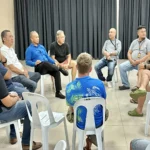
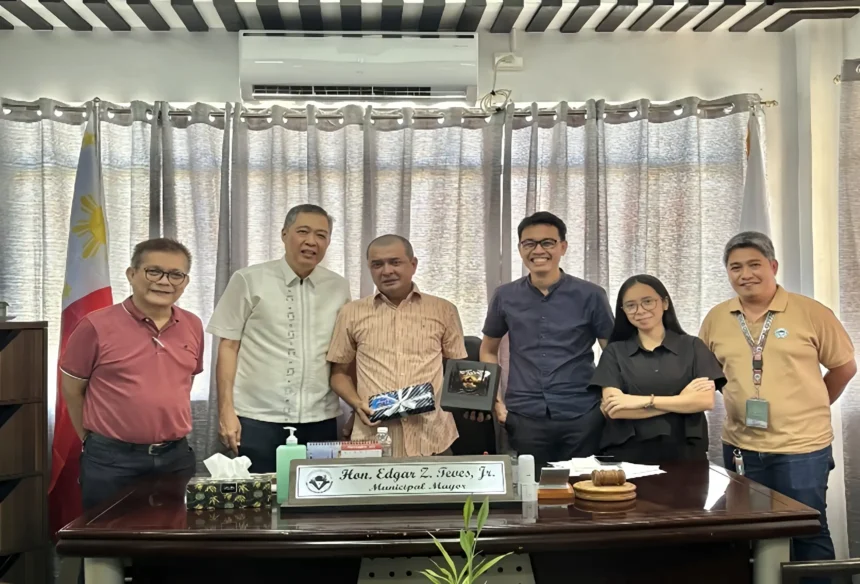
The meetings brought together NOCCI leaders, MPW executives led by Assistant Vice President Alain Flores, and the MDW team headed by General Manager Engr. Robert Cabiles. Marathon discussions were held with Bacong Mayor Lenin Alviola, Valencia Mayor Junjun Teves, and Dauin Mayor Galic “Matic” Truita. Each dialogue centered on aligning municipal priorities with private-sector capabilities to improve water access and distribution. By engaging multiple local governments, the initiative recognized that water systems transcend political boundaries and require regional coordination. These engagements reinforced the importance of shared planning rather than isolated municipal solutions.
Water Infrastructure as an Economic Enabler
Reliable water infrastructure plays a critical role in enabling business expansion and urban development. Manufacturing, tourism, housing, and commercial zones all depend on consistent water supply to operate efficiently and attract investment. In Negros Oriental, uneven access to water can limit growth even in areas with strong economic potential. The discussions emphasized that proactive infrastructure planning reduces long-term costs and minimizes service disruptions. Positioning water as an economic enabler helps elevate it from a basic utility concern to a strategic development priority.
Public-Private Collaboration for Water Sustainability
A key theme across the meetings was the value of public-private collaboration in managing water resources sustainably. Local governments bring regulatory authority and development planning, while private operators contribute technical expertise, capital, and operational efficiency. When aligned, these strengths can accelerate infrastructure upgrades and improve service delivery. The dialogue explored mechanisms for data sharing, coordinated investment, and long-term resource protection. Such collaboration ensures that water systems remain resilient amid population growth and climate-related pressures.
Advancing the Metro Dumaguete Corridor Vision
These engagements move NOCCI closer to realizing its vision of a Metro Dumaguete Corridor anchored on shared water resources. The concept envisions Bacong, Valencia, Dauin, and Dumaguete functioning as an integrated economic zone rather than isolated markets. A unified approach to water management supports this integration by enabling balanced growth across municipalities. Shared infrastructure reduces duplication and encourages efficient resource use. Over time, this framework lays the groundwork for a cohesive Metro Dumaguete Business District.
Inclusive Growth Through Shared Water Resources
Inclusive growth depends on equitable access to essential services, including water. The discussions highlighted the importance of ensuring that infrastructure investments benefit both urban centers and surrounding communities. Shared water systems can support residential needs while also accommodating commercial and industrial demand. This balance helps prevent growth bottlenecks and social inequities. By prioritizing shared water resources, stakeholders aim to support sustained economic participation across the region.
Implications for Investors and Local Businesses
For investors and local enterprises, these meetings signal a more predictable and coordinated approach to infrastructure planning. Reliable water supply reduces operational risks and supports long-term business planning. It also enhances the attractiveness of Negros Oriental as a destination for new ventures and expansions. Businesses benefit when local governments and utilities align on clear development roadmaps. Improved water governance can therefore translate directly into increased confidence and economic activity.
The successful conclusion of NOCCI-led meetings with MPW, MDW, and local government leaders marks a significant step toward regional water coordination in Negros Oriental. By framing water as a shared economic resource, stakeholders have established a foundation for integrated growth under the Metro Dumaguete Corridor vision. The next phase involves translating dialogue into concrete plans, investments, and implementation timelines. Continued collaboration will be essential to ensure that water infrastructure keeps pace with development. With sustained commitment, shared water management can become a cornerstone of the region’s long-term economic resilience.