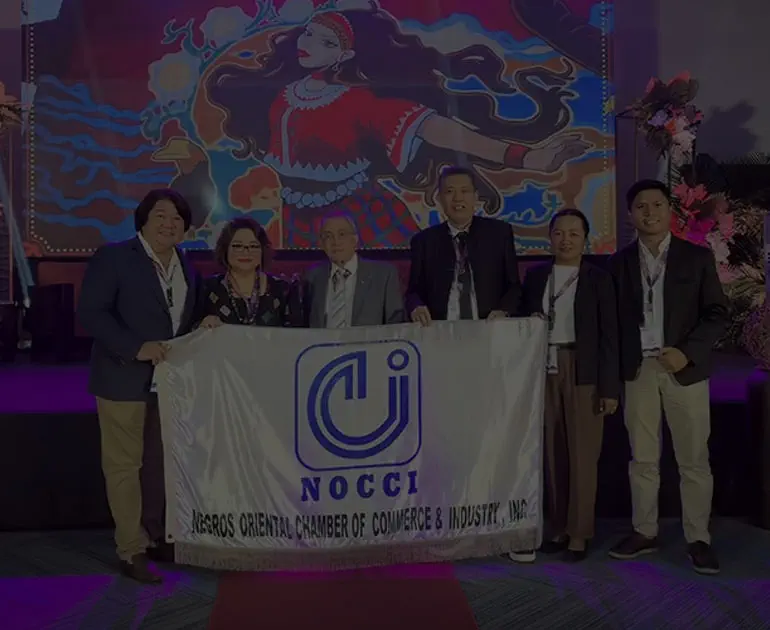


In the aftermath of Super Typhoon Tino, communities in Canlaon City faced urgent needs for food security and basic support. Responding swiftly, the Negros Oriental Chamber of Commerce and Industry (NOCCI) redirected funds originally set aside for its Annual Christmas Party toward humanitarian relief efforts. This decision highlights how business organizations can act decisively during crises, prioritizing people over celebrations. For those seeking information on local relief initiatives and private-sector involvement, this move demonstrates a practical and values-driven approach to disaster response.
A Strategic Shift Toward Immediate Relief
NOCCI’s Board of Trustees unanimously resolved to reallocate its internal event budget to support typhoon victims in Canlaon City. Rather than postponing assistance or seeking external funding, the organization chose an immediate relief response using available resources. This approach allowed NOCCI to act quickly during a critical post-disaster window. The decision underscores how organizational flexibility can translate into timely relief for affected communities. It also reflects a governance culture that places social responsibility alongside institutional tradition.
Turning Celebration Funds Into Community Support
Annual events like Christmas parties are often seen as fixed organizational traditions. In this case, NOCCI reframed the purpose of those funds as a tool for relief and recovery. By converting a social budget into humanitarian assistance, the organization reinforced the idea that business groups can adapt priorities during emergencies. This shift sends a strong signal to members and partners about shared values. It also demonstrates how small financial decisions, when redirected, can have meaningful relief outcomes.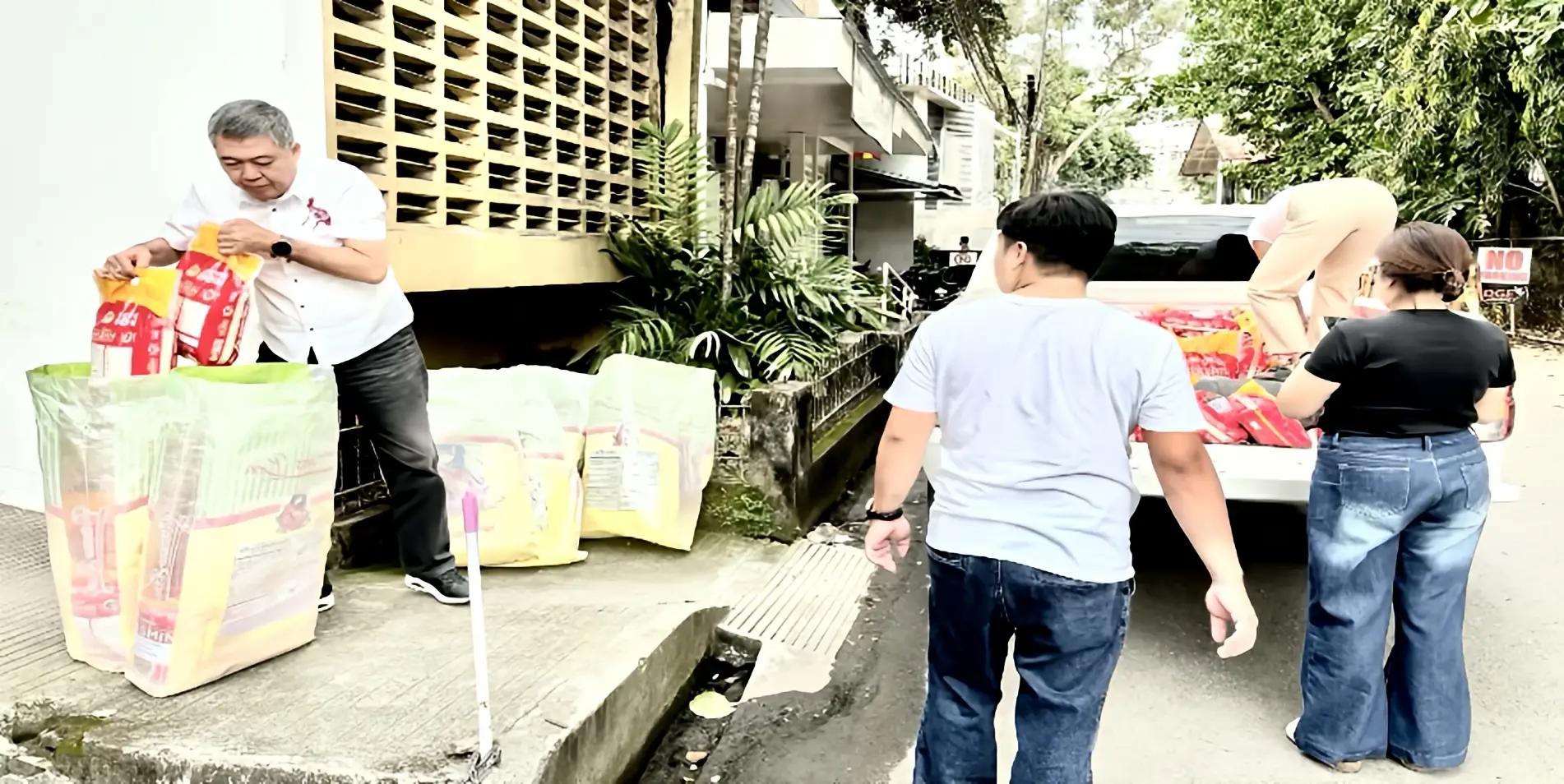
Formal Turnover of Relief Assistance
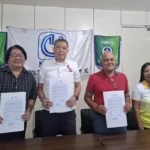
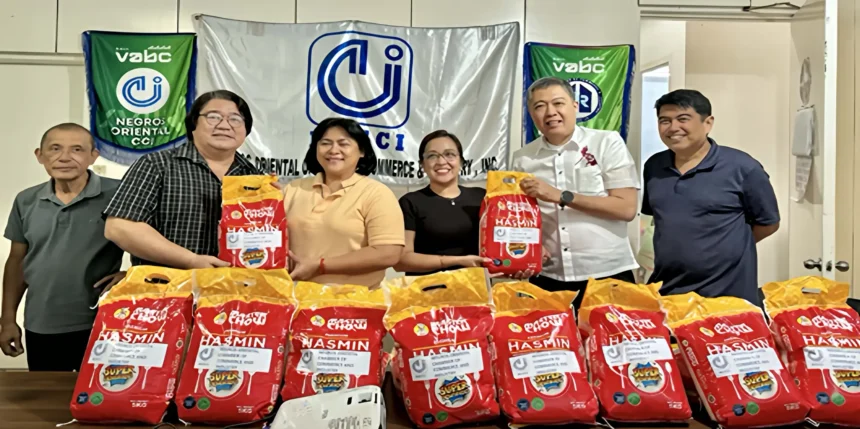
As part of the initiative, NOCCI officers led by President Edward C. Du, together with Executive Director John Jalandoni, formally turned over rice donations to First District Board Members Ikay Villanueva and Angel A. Soliva. The turnover ensured that relief goods would be properly channeled to affected households in Canlaon City. Coordinating with district representatives helped align private-sector assistance with local government relief operations. This collaboration reduces duplication and ensures aid reaches those most in need. It also highlights the importance of coordination in effective relief delivery.
The Business Sector’s Role in Disaster Relief
The NOCCI initiative reflects a broader role for the business community in disaster relief beyond financial contributions. Businesses bring organizational capacity, logistics, and decision-making speed that can complement government response. In times of crisis, such capabilities can bridge critical gaps in relief distribution. NOCCI’s action shows how chambers of commerce can mobilize resources without waiting for formal appeals. This reinforces the idea that relief is a shared responsibility across sectors.
Corporate Social Responsibility in Action
Corporate social responsibility is most visible when it responds to real and immediate needs. By prioritizing relief for typhoon victims, NOCCI translated CSR principles into tangible action. This builds credibility not only with communities but also within the organization’s membership base. Members see that their collective resources are used with purpose during emergencies. Such actions strengthen trust and reinforce the long-term relevance of CSR-driven relief initiatives.
Impact on Canlaon City Communities
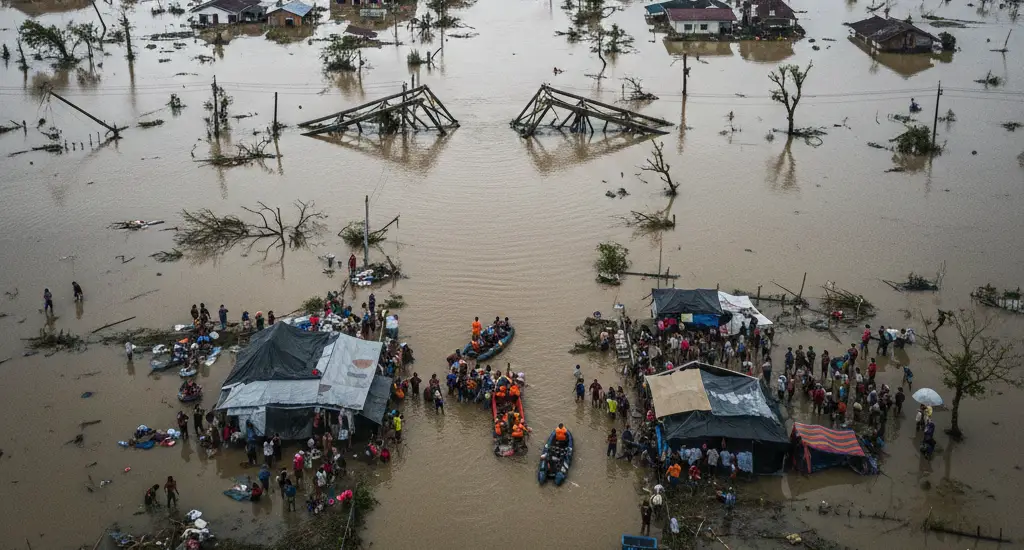
For families affected by Super Typhoon Tino, rice donations provide immediate relief and stability during recovery. Food assistance reduces pressure on household resources while communities begin rebuilding. Localized relief efforts like this are especially valuable because they respond to specific, on-the-ground needs. The presence of organized groups such as NOCCI also reassures communities that they are not facing recovery alone. Over time, consistent relief support contributes to faster normalization of daily life.
Setting an Example for Future Relief Efforts
NOCCI’s decision sets a practical example for other organizations facing similar choices during disasters. Redirecting non-essential expenditures toward relief can be a fast and effective response mechanism. It also demonstrates that impactful relief does not always require large-scale fundraising campaigns. What matters is timely action, coordination, and intent. As climate-related disasters become more frequent, such adaptive relief models may become increasingly relevant.
Relief Through Responsible Leadership
The redirection of NOCCI’s Christmas Party funds into typhoon relief for Canlaon City reflects responsible and people-centered leadership. By acting quickly, coordinating with local officials, and focusing on immediate needs, NOCCI reinforced the vital role of the private sector in disaster response. The initiative shows how relief efforts can be embedded into organizational decision-making without complex processes. Moving forward, this approach offers a replicable model for how business groups can contribute meaningfully during times of crisis.