

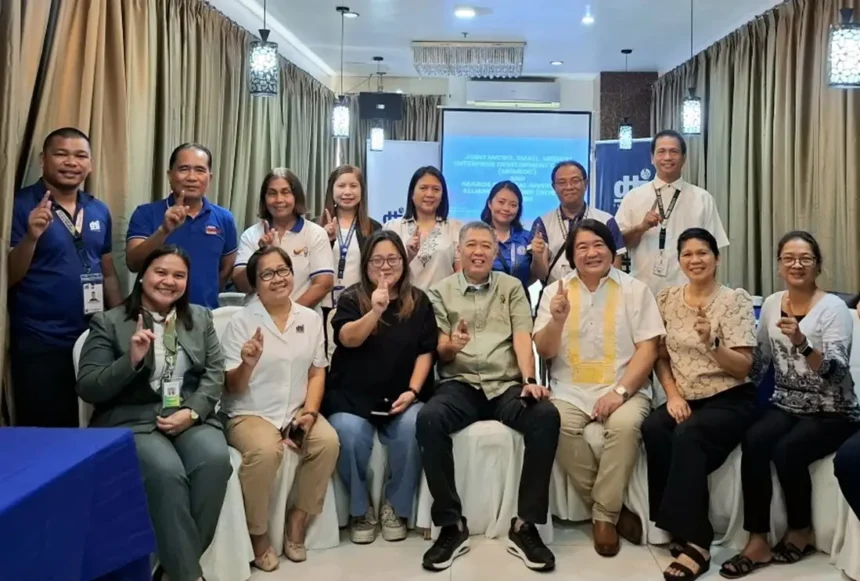
MSMEDC Emphasizes MSMEs as Pillars of Negros Oriental Growth
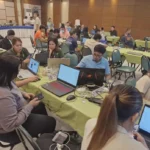
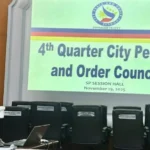
Micro, Small, and Medium Enterprises (MSMEs) continue to serve as the backbone of Negros Oriental’s economy, generating jobs, supporting local supply chains, and fostering inclusive growth. During the Provincial MSME Development Council meeting held on November 17, 2025, in Dumaguete City, the Department of Trade and Industry (DTI) Negros Oriental reaffirmed this critical role while addressing emerging challenges that threaten business sustainability. The gathering, led by the MSMEDC leadership, brought together public and private stakeholders to align economic development with climate resilience.
Key Outcomes of the Provincial MSMEDC Meeting
DTI Negros Oriental’s Call for MSME Support
DTI Negros Oriental highlighted how MSMEs contribute not only to economic output but also to social development across cities and municipalities. Through employment generation and local entrepreneurship, MSMEs help stabilize communities, especially during economic disruptions. The MSMEDC meeting stressed that strengthening access to financing, skills training, and market linkages remains a priority to ensure enterprises can scale responsibly and competitively.
The MSMEDC also reiterated the importance of policy coordination between national agencies and local government units (LGUs) to ensure that programs designed for MSMEs reach grassroots entrepreneurs effectively.
Leadership and Private Sector Participation
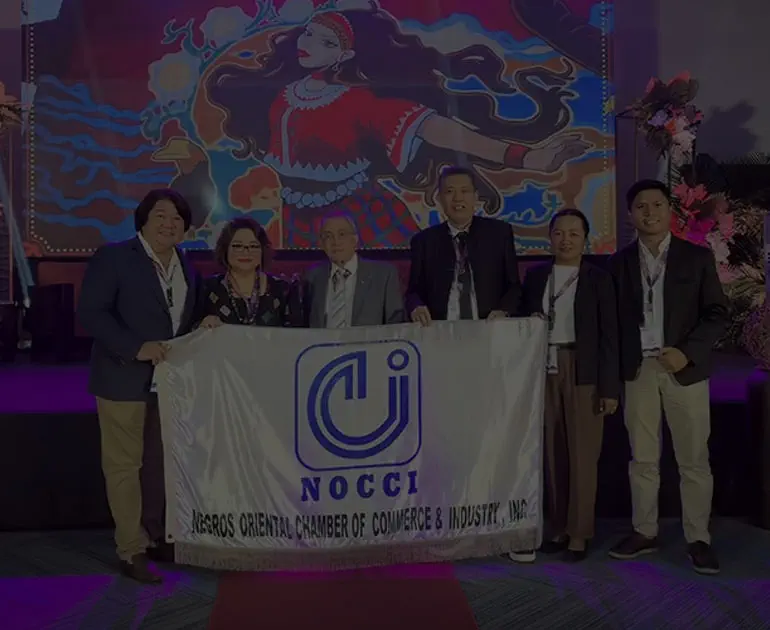
The meeting was presided over by MSMEDC Co-Chair and Negros Oriental Chamber of Commerce and Industry (NOCCI) President Edward Du, with NOCCI Executive Director John Jalandoni actively participating in the discussions. Their involvement underscored the strong collaboration between government and the private sector, a partnership that the MSMEDC considers essential for sustainable provincial development.
Climate Crisis as a Growing Threat to Local Enterprises
Flooding and Climate Risks Affecting MSMEs
One of the most pressing issues raised during the MSMEDC session was the worsening climate crisis. President Du emphasized that flooding has become one of Negros Oriental’s most damaging and persistent hazards. For MSMEs, frequent floods disrupt operations, damage inventory, and increase recovery costs, placing small businesses at greater financial risk.
The MSMEDC acknowledged that without proactive planning, climate-related disasters could erode years of economic gains made by local enterprises.
Proposed Flood Control Ordinance for LGUs
In response, NOCCI proposed an ordinance that would require all LGUs in Negros Oriental to adopt comprehensive flood control master plans. These plans would be aligned with national disaster risk reduction and climate adaptation policies, ensuring consistency and long-term effectiveness. The MSMEDC viewed this proposal as a practical step toward protecting both communities and businesses from escalating climate impacts.
Why Flood Control Planning Matters for MSMEDC Goals
Protecting Economic Continuity
Flood control measures are not just infrastructure investments; they are economic safeguards. The MSMEDC emphasized that resilient infrastructure enables MSMEs to operate with fewer disruptions, maintain employment, and continue serving local markets even during extreme weather events.
Aligning Local Action with National Policies
By aligning LGU flood control plans with national frameworks, the MSMEDC aims to ensure access to technical assistance, funding, and best practices. This alignment also improves accountability and coordination across government levels, making disaster preparedness more effective and inclusive.
Actionable Insights for MSMEs and LGUs
For MSMEs
The MSMEDC encourages MSMEs to actively participate in local consultations on disaster preparedness and infrastructure planning. Business owners are advised to assess their own risk exposure, invest in basic resilience measures, and engage with chambers of commerce for updates on policy developments.
For Local Government Units
LGUs play a central role in translating MSMEDC recommendations into action. Developing data-driven flood control master plans, conducting regular risk assessments, and consulting local business sectors can help ensure that policies address real, on-the-ground challenges faced by MSMEs.
Building a Resilient and Inclusive Future
The November 17 MSMEDC meeting in Dumaguete City reinforced a clear message: economic growth and climate resilience must move forward together. By recognizing MSMEs as key drivers of development and addressing climate risks through coordinated policy action, Negros Oriental positions itself for more sustainable progress.
Through continued collaboration among DTI, MSMEDC leaders, NOCCI, and LGUs, the province can protect its entrepreneurs while building a safer environment for future generations. The MSMEDC’s proactive stance highlights that resilience is not optional—it is essential for long-term economic and social stability.